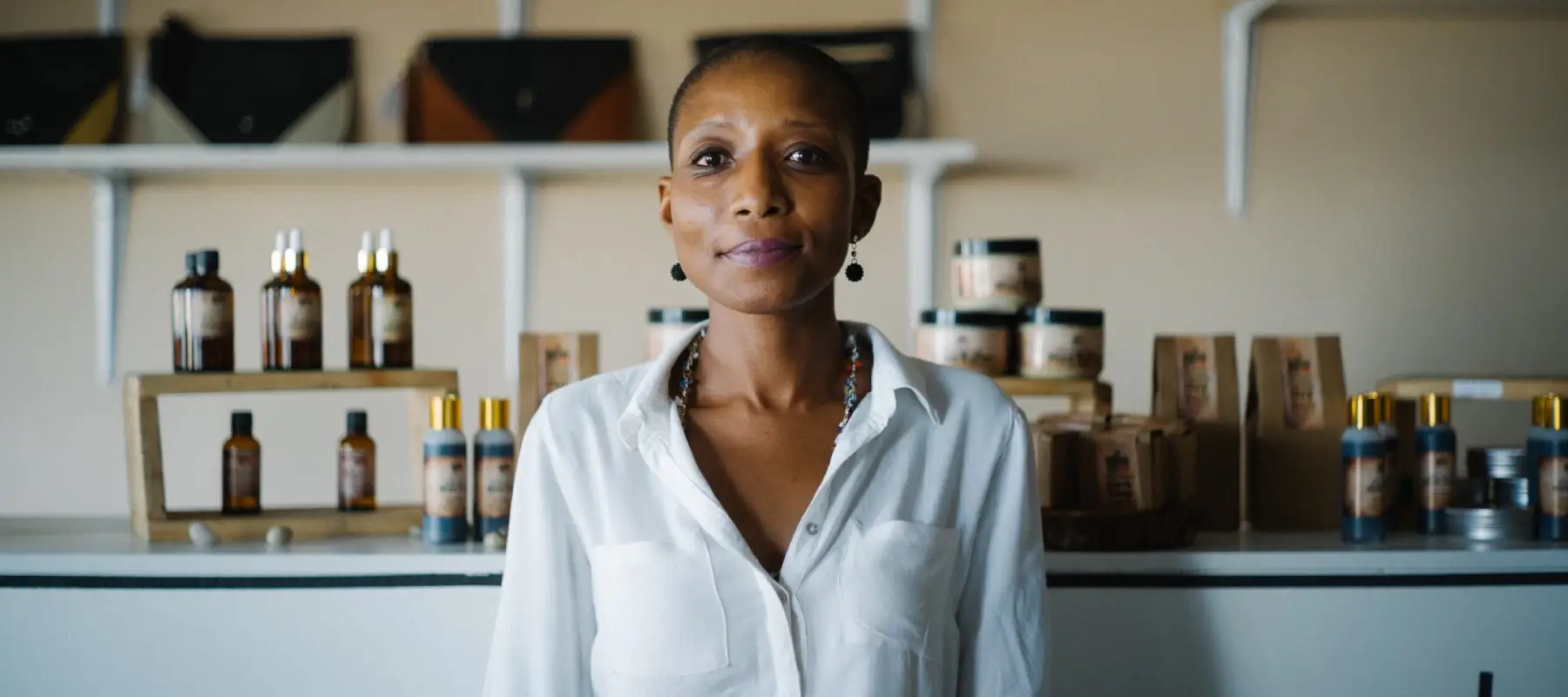
Black woman in white blouse in a store

Livelihoods

Overview

Overview

Diamonds as an economic engine

Natural diamonds have an inherently human story to tell — through jobs they create, communities they build, and societies they support.

De Beers is proud to support safe and respected livelihoods — helping to generate opportunities and resilience in the heart of our communities.

For over a century, natural diamonds have acted as an engine for economic growth. Today, the diamond industry continues to play a role in supporting thriving modern economies.

Our 2030 goal

We aim to support four jobs in our communities for every one job in our operations by 2030.

Our focus is on jobs that will help advance context-specific outcomes, including poverty reduction, economic growth and diversification beyond mining.

In total, we’ve now supported over 27,000 livelihoods, and we are more than two-thirds of the way to achieving our 2030 goal.

2.6

For every job that we created onsite, we supported 2.6 jobs offsite

$ ​2 bn+

Tax and economic value contributed to our producer countries​

500

Women were trained by our UN Women EntreprenHER programme
Our approach

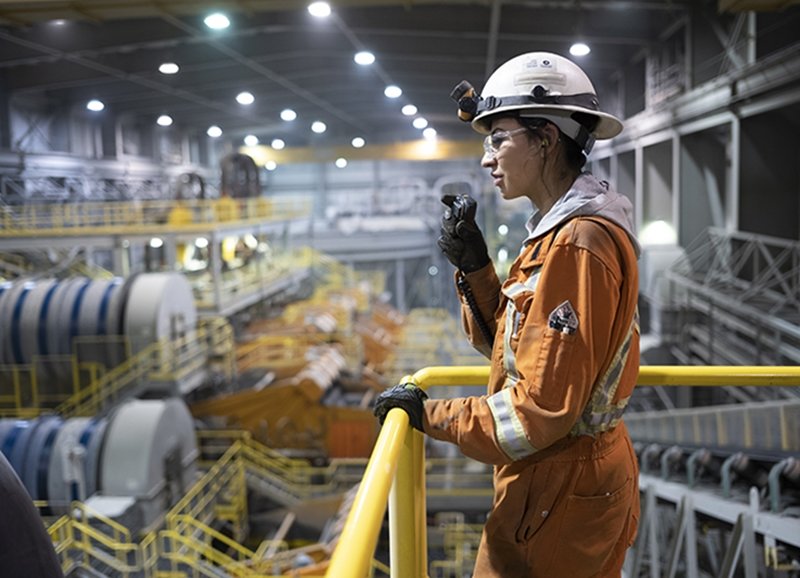
Safe, meaningful employment

We provide safe and respected employment across our partner countries, often in areas with limited alternative economic opportunities.

But while a diamond lasts forever, a diamond mine does not. That’s why our focus on livelihoods extends further than direct employment, towards building skills, businesses and industries that will shape a future beyond diamonds.
Our approach

Our approach

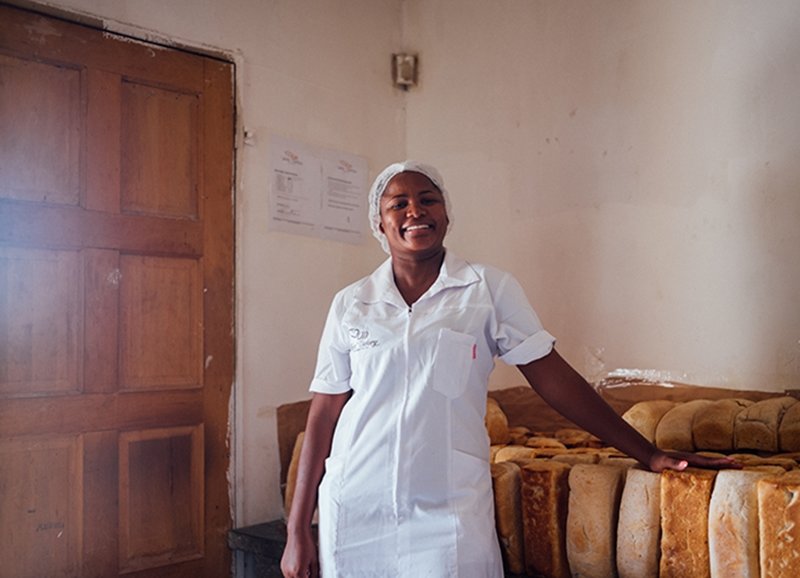
Inclusive procurement

We drive inclusive procurement by supporting local suppliers to enter, thrive and grow within our supply chain. Through our supplier development programs, we support small and medium-sized businesses with targeted training and development, with the aim of retaining value within our host communities and strengthening local economies.

Across all our socio-economic initiatives, including those focused on enabling inclusive procurement, we aim to empower women, youth and the previously marginalised to increase their economic representation.
Our approach

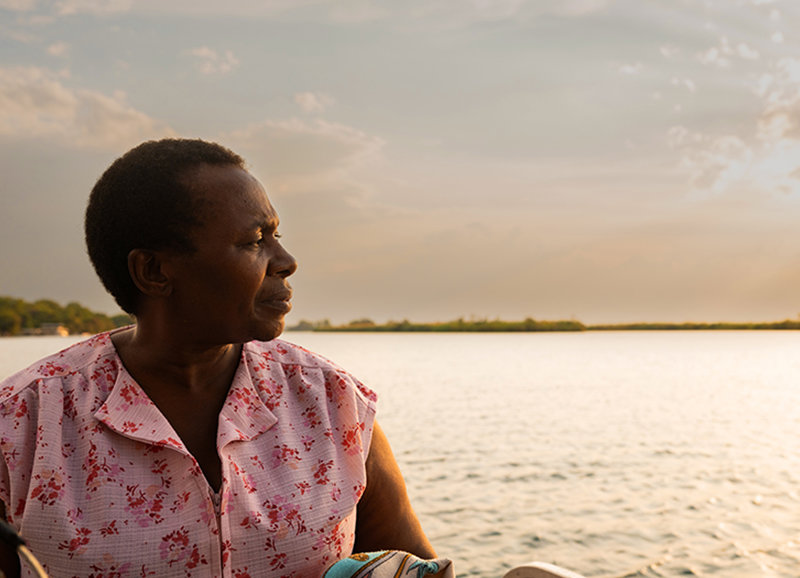
Economic growth and diversification

Recognising the finite nature of mining, we aim to foster diversified and resilient local economies that endure beyond our operations. To do this, we design locally tailored socio-economic interventions for the unique economies in which we operate - for example, agricultural programmes in South Africa, ecotourism initiatives in Botswana and tourism development in Namibia.

Some of our enterprise development programmes have been running for decades in partnership with local government, as well as partners such as UN Women and Stanford University. These programmes are designed to help small and medium-sized businesses to grow – both in our communities, and across the region - by providing a range of support, including training, networking, mentoring and small loans. A wide variety of businesses participate in these programmes, with some accelerating future skills development, and others preserving traditional skills and craftsmanship.


Building an inclusive and diverse workforce

Equity, Diversity & Inclusion

Building an inclusive and diverse workforce

The brilliance of our business, like our diamonds, relies on many unique facets working together. By valuing diversity of thought, skills and experience, we build a stronger, more resilient and more brilliant company.

Our approach to equality reflects this diversity and is shaped by local context, while guided by clear Group-wide standards and expectations.

Before mine sites are developed, social and community considerations are assessed alongside technical and operational requirements. This includes the social, cultural and economic characteristics of the local area of influence, as well as the views and needs of local communities in areas such as health, education, employment, gender equity and cultural heritage.

Community health and wellbeing:

Over recent years, De Beers has worked with governments, health authorities and community partners to support community health and wellbeing across its producer countries, with a focus on prevention, access to care and strengthening public health systems. Our programmes continue to focus on strengthening public health systems, HIV and TB treatment support, and child and maternal health.

Beneficiation:

Beneficiation supports local cutting, polishing and jewellery manufacturing within diamond-producing countries. Through the Beneficiation Project, smaller businesses are supported to qualify as Sightholders in De Beers Group’s diamond value chain. To date, three companies have completed the two-year programme and now meet the financial, ethical and operational requirements of the Best Practice Principles programme.

By working closely with host communities and aligning our programmes with national priorities, we aim to ensure our investments are relevant to local needs and aspirations.

For further information on our community approach and wider sustainability reporting see our Sustainability Report 2025.


We adopt a partnership-based livelihoods model, working with experienced partners across our host communities. Our work is shaped by local context and focuses on practical outcomes, including strengthening skills, improving access to markets and building local capacity.

In 2025, livelihoods initiatives continued to support enterprise growth and local economic activity. For every one job created onsite, De Beers Group supported 2.6 jobs offsite, up from two in 2024. This reflects continued progress toward the Group’s 2030 commitment.

Supporting livelihoods beyond our core operations is a fundamental part of our approach to helping create opportunities for social and economic development in the communities connected to our operations.

For further information on livelihoods and wider sustainability reporting see our Sustainability Report 2025.


With mining operations in four countries, a supply base of nearly 4,000 suppliers and a diamond value chain involving more than 300,000 people in 77 countries, our activities continue to present both positive opportunities and potential adverse impacts on human rights.

We apply a rights-based approach, holding ourselves and those we work with accountable for respecting human rights and conducting human rights due diligence in line with the United Nations Guiding Principles on Business and Human Rights (UNGPs).

Engagement with stakeholders is a core part of our approach. Mechanisms are in place to enable employees, contractors, host community members and other stakeholders to raise grievances and access remediation where an adverse impact is established.

For further information on Human Rights, see our Modern Slavery Statement 2025 and Sustainability Report 2025.


De Beers Group’s one active mine and two closed mines in Canada are located on traditional Indigenous territories. We strive to minimise adverse impacts, alongside incorporating the traditional knowledge and wishes of Indigenous communities into environmental stewardship that endures beyond mine closure.

In 2025, De Beers Group achieved 95% compliance with Impact Benefit Agreements (IBAs) and completed 85% of planned Indigenous engagement activities across its Canadian operations, supported by regular, structured engagement with communities.

For further information on indigenous rights and communities, along with wider sustainability reporting see our Sustainability Report 2025.


Safety underpins how we operate at De Beers. We aim to identify and address potential safety and environmental risks associated with our activities before work begins, including stopping work where it cannot be carried out safely.

Our Beyond Zero safety mindset embeds safety into every aspect of our operations. Adopted in 2020, it commits us to placing the wellbeing of our people before production and profit, making safety central to our operations.

Safety outcomes improved across the Group in 2025, including a 19% reduction in Total Recordable Injury Frequency Rate compared with 2024 and zero work-related fatalities. Sustained performance in higher-risk environments was demonstrated at Venetia Mine, which exceeded 13 million fatality-free shifts.

For further information on occupational health and safety along with wider sustainability reporting see our Sustainability Report 2025.


CASE STUDIES

GEMFAIR

GEMFAIR

A pioneering programme reshaping the future of artisanal diamonds

Read more
ENTREPRENHER

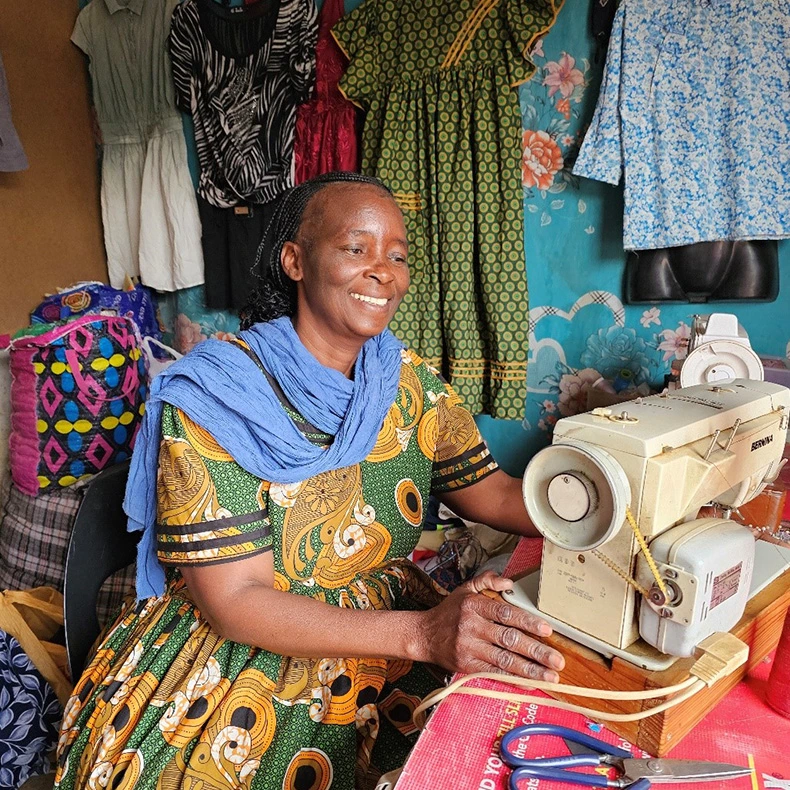
ENTREPRENHER

Supporting women micro-entrepreneurs in southern Africa

Read more
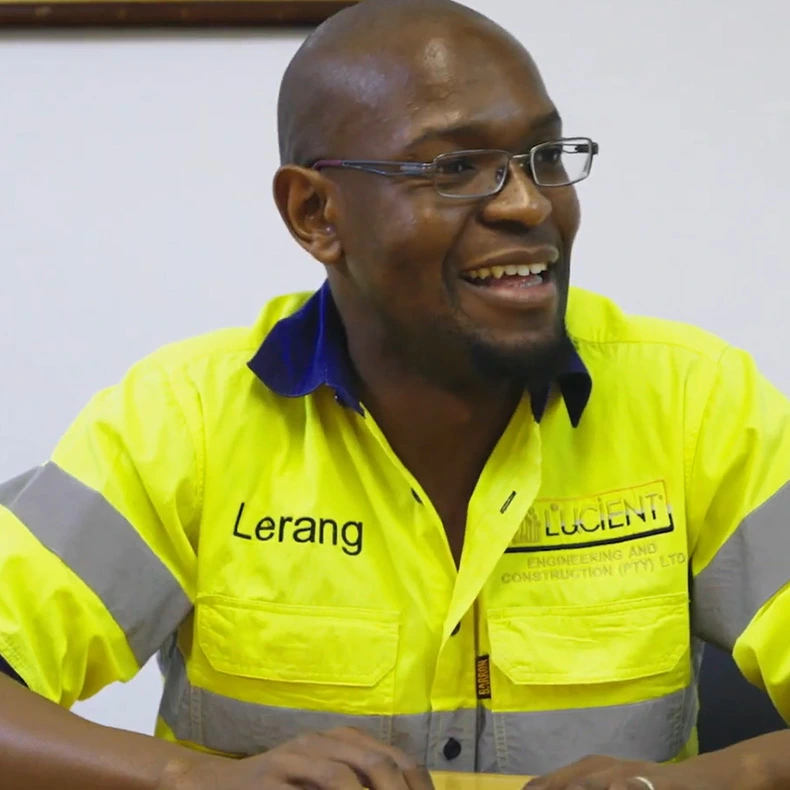
STANFORD SEED

STANFORD SEED

Helping entrepreneurs transform lives in South Africa, Namibia and Botswana

Read more
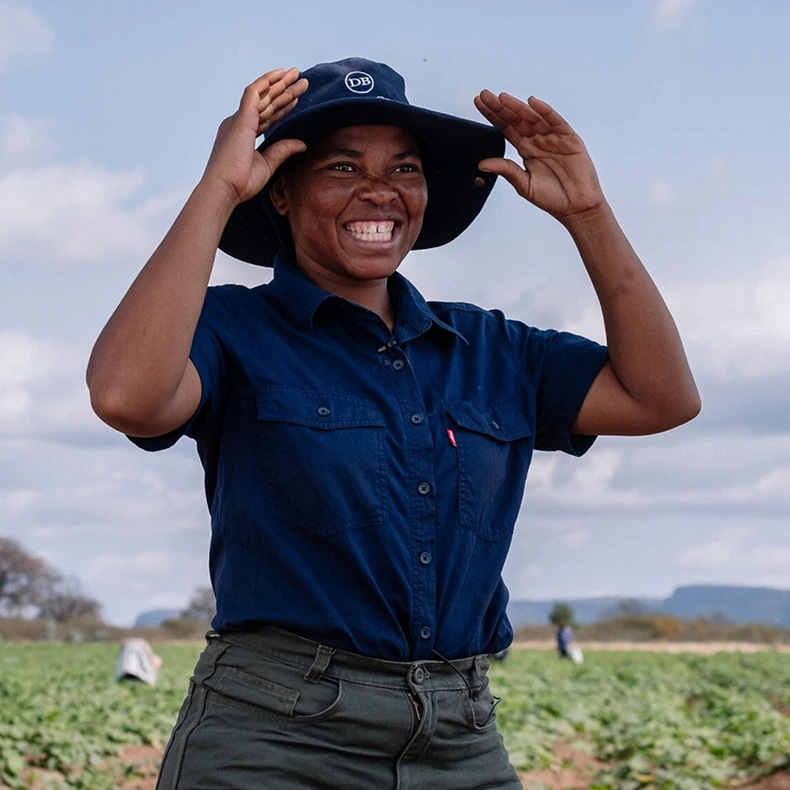
BLOUBERG AGRI

BLOUBERG AGRI-HUB

Supporting small-scale farmers to grow

Read more

Beneficiation

BENEFICIATION

Extending the value of diamonds in country

Read more

Diamond beneficiation is the creation of in-country wealth, skills and jobs by supporting diamond-related activities in producer countries downstream from mining. It is central to De Beers Group's partnerships in southern Africa.

Okavango Eternal is a partnership between De Beers Group and National Geographic to help protect the source waters of the Okavango Delta and support the communities and livelihoods that depend on them.

De Beers Group runs a range of initiatives in southern Africa to support community development and environmental conservation. These include Okavango Eternal (in partnership with National Geographic), EntreprenHER (in partnership with UN Women), Stanford SEED (in partnership with the Stanford Graduate School of Business), and Tokafala (in partnership with Debswana and the Government of the Republic of Botswana).

Climate

CLIMATE

Innovative thinking and pioneering partnerships.

Learn more
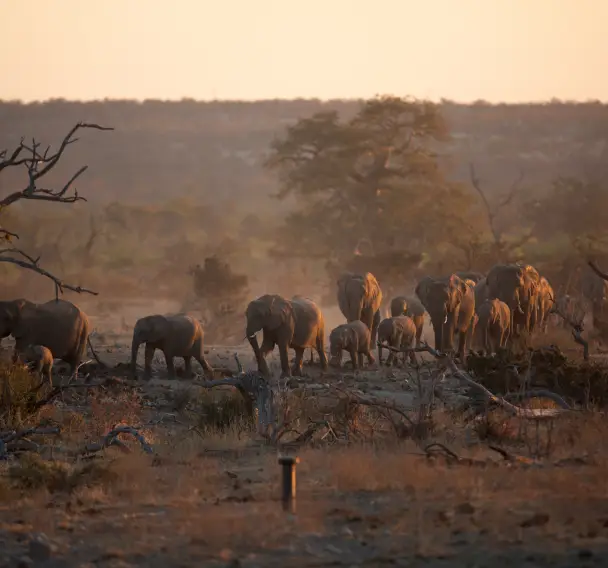
Nature

NATURE

Restoring and protecting biodiversity.

Learn more

Provenance

PROVENANCE

Enhancing transparency through diamond provenance

Learn more
Sustainability Report

Our sustainability report is published every year and highlights our progress against our Building Forever framework, including detailed sustainability performance reporting.