


A message from our CEO
FOREWORD
For centuries, natural diamonds have represented the most precious human emotions due to their timelessness, rarity and inherent value. But as society evolves, the emotions and moments that people choose to celebrate with natural diamonds also evolve.
From war-time symbols of everlasting devotion gifted by a man to a woman in the 1940s to the rise of female self-purchase in the 1970s, De Beers has a long history of recognising and adapting to evolutions in natural diamond demand. It is in this context that we have created The Diamond Report. This publication is designed to share our insights about today’s natural diamond consumer, key emerging natural diamond jewellery trends and how these consumers and trends are expected to shape demand over the coming years.
THE US 2025 DIAMOND ACQUISTION STUDY
This report includes stories based on our biannual US consumer study – the most comprehensive study of the industry's largest consumer market.
18,500
Respondents
18-74
Women aged 18-74
2
Years since last study
“The US consumer remains highly captivated by natural diamonds and it is the very attributes that make natural diamonds unique that resonate most – their rarity, their timelessness and their inherent value.”
CEO, De Beers Group
Chief Economist
THE KEY FORCES SHAPING A POSITIVE FUTURE FOR NATURAL DIAMONDS
Our Chief Economist explores the forces shaping natural diamond demand, alongside four key dynamics that he believes will shape the next five years for natural diamonds.
- Marketing: natural diamond marketing is critical to rebuilding demand.
- Synthetic lab-grown diamond retail prices: current retail margins for synthetic lab-grown diamonds are likely to come under pressure as competition increases.
- Differentiation: clearly differentiating natural diamonds and synthetic lab-grown diamonds is key to building consumer confidence.
- Declining supply: global rough diamond production is expected to decline, leading to a more favourable supply-demand balance over the medium to long term.
↑
Global natural diamond demand increased in 2025
c. 100 Million
Carats of rough diamonds produced during 2025 vs 150 million in 2017

“I am confident that the balance between supply and demand in the natural diamond industry will be restored. When it happens, and how fast, is harder to predict, but the underlying drivers of today’s disruption are well understood and, importantly, not permanent.”
EVP Corporate Affairs & Strategy and Chief Economist, De Beers Group
THE US NATURAL DIAMOND CONSUMER IN 2025
The US Diamond Acquisition Study is the most comprehensive study of the industry's largest consumer market, featuring responses from 18,500 women aged 18-74 across the US.
The US natural diamond consumer in 2025
DIAMOND BUYING TRENDS AND BEHAVIOURS
The study explores natural diamond desirability, the rates of women buying or receiving natural diamonds, purchase occasions and motivations, and how natural diamond demand differs from synthetic lab-grown diamonds.
This report explores key study findings, emerging trends since the prior study in 2023 and what they mean for the diamond industry.
# 1 desired jewellery item
Natural diamond jewellery is the most desired luxury jewellery product, ahead of synthetic lab-grown diamonds, gemstones and gold jewellery.
25 % increase
Average spend on natural diamond jewellery is increasing; in 2025, it was up 25% to $4,063. Average carat weight per item has also increased to 1.86 carats from 1.65 carats.
75 % value share
More people are buying diamonds for themselves and as gifts: non-bridal purchases now account for 75% of demand value, while bridal (engagement and wedding jewellery) is 25%.
WHAT THESE FINDINGS MEAN FOR NATURAL DIAMONDS
The 2025 US Diamond Acquisition Study reinforces the enduring appeal of natural diamonds. They are the most desired jewellery item for US consumers.
Spending on natural diamonds has also increased and non-bridal occasions, including gifting and self-purchase, now account for 75% of demand. Younger consumers lead demand, with Millennials and Gen Z representing more than three quarters of overall sales.
The rates of women buying or receiving natural diamonds also increased in 2025 but remain below pre-Covid levels – highlighting further opportunity to convert aspiration to acquisition. Emphasising the attributes of natural diamonds that resonate most will be key to achieving this – that they are unique, timeless, rare by nature and hold inherent value.
To further grow natural diamond demand, the industry should consider innovative marketing, product and retail approaches – offering compelling designs, colours and sizes across all price points and for all purchase occasions.

In Focus
Gen Z and the natural diamond opportunity
This is a generation that behaves differently than their parents or grandparents – they buy natural diamonds for more occasions, they do more research and they expect their diamond to reflect their own sense of individuality.
Understanding how Gen Z could shape natural diamond demand in the years to come is critical. The opportunity is clear: Gen Z have high aspiration to own natural diamonds. In an increasingly competitive landscape, the industry must re-imagine the diamond buying experience to meet the preferences of this next generation.
The US Diamond Acquisition Study shows Gen Z is already making its mark on the industry – accounting for almost a quarter of sales despite their youth and emerging financial maturity. Gen Z consumers’ preference to buy or receive diamonds has also increased more than any other generation.
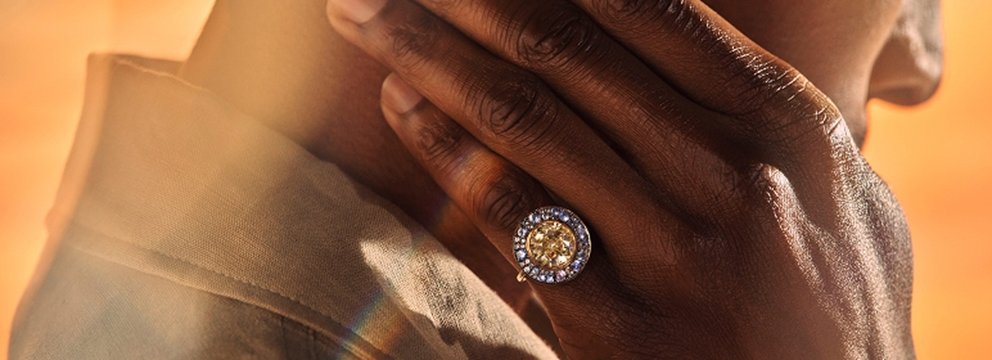
This is a generation that behaves differently than their parents or grandparents – they buy natural diamonds for more occasions, they do more research and they expect their diamond to reflect their own sense of individuality.
Understanding how Gen Z could shape natural diamond demand in the years to come is critical. The opportunity is clear: Gen Z have high aspiration to own natural diamonds. In an increasingly competitive landscape, the industry must re-imagine the diamond buying experience to meet the preferences of this next generation.
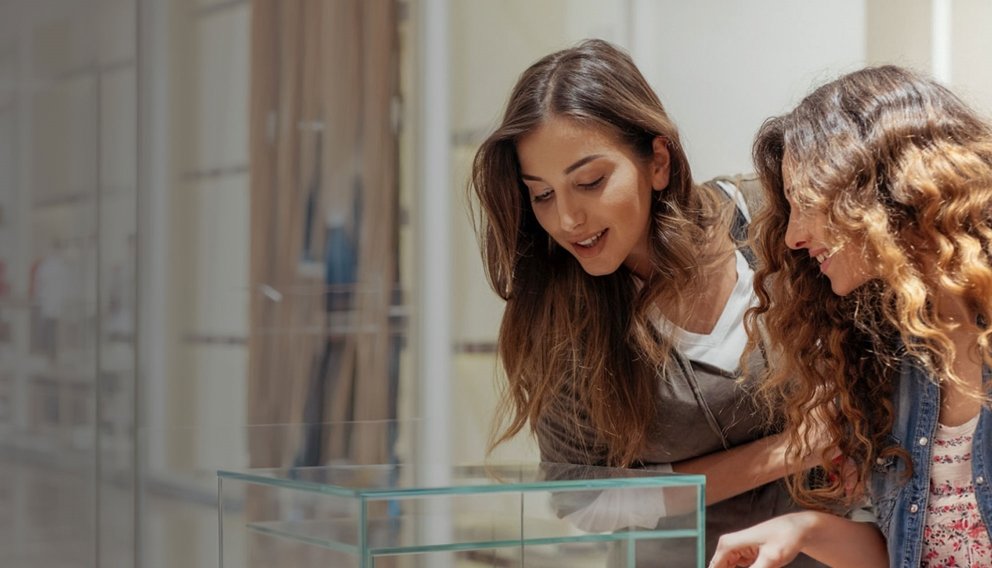
In Focus
US retail: margins, gross profits and the long-term view
The report explores what these dynamics mean for the future of retail and the considerations for the industry over the long-term.
Retail economics are evolving. Higher value natural diamonds are leading sales growth across independent jewellers while synthetic lab-grown diamond prices are on a downward trend.

The report explores what these dynamics mean for the future of retail and the considerations for the industry over the long-term.
In Focus
Perspectives on natural diamond sales and design trends
We asked leading US designers, retailers and industry experts what excites their customers when it comes to natural diamonds, as well as key trends and changes they are observing when it comes to the ‘purchase experience’.
Here’s a selection of what they said. Read the full report to get the rest.
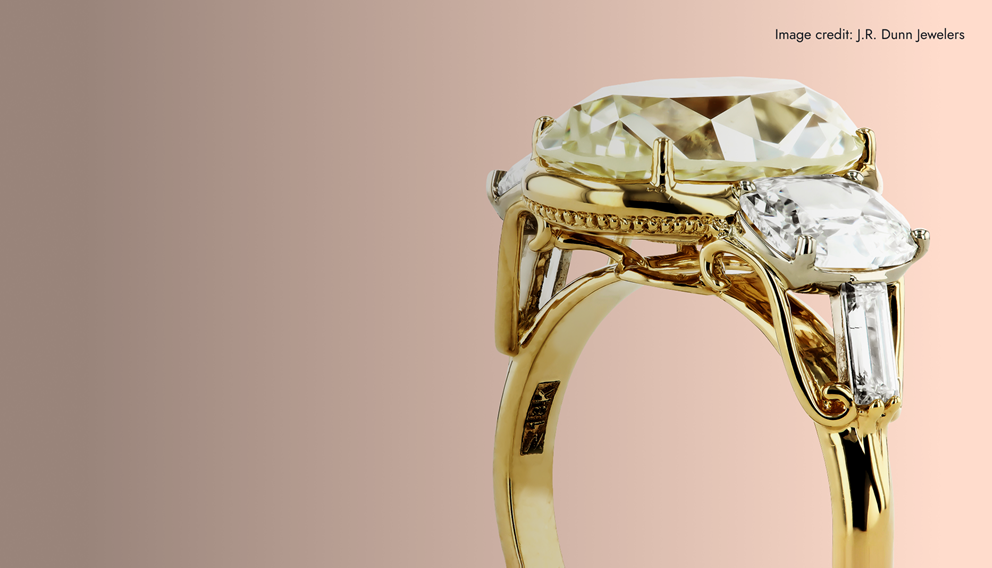
“Natural tends to win, because it just feels more romantic and real.” — Sean Dunn, J.R. Dunn Jewelers
Consumers are captivated by natural diamonds. But how they buy, the attributes they’re looking for and what they want their diamond to represent is evolving.

We asked leading US designers, retailers and industry experts what excites their customers when it comes to natural diamonds, as well as key trends and changes they are observing when it comes to the ‘purchase experience’.
Here’s a selection of what they said. Read the full report to get the rest.
“Natural tends to win, because it just feels more romantic and real.” — Sean Dunn, J.R. Dunn Jewelers
“Most people want a one-of-a-kind diamond that speaks to their aesthetic preferences.”
Artifex Fine Jewelry & Designer of Taylor Swift’s engagement ring
In Focus
Gen Z and the natural diamond opportunity
This is a generation that behaves differently than their parents or grandparents – they buy natural diamonds for more occasions, they do more research and they expect their diamond to reflect their own sense of individuality.
Understanding how Gen Z could shape natural diamond demand in the years to come is critical. The opportunity is clear: Gen Z have high aspiration to own natural diamonds. In an increasingly competitive landscape, the industry must re-imagine the diamond buying experience to meet the preferences of this next generation.
The US Diamond Acquisition Study shows Gen Z is already making its mark on the industry – accounting for almost a quarter of sales despite their youth and emerging financial maturity. Gen Z consumers’ preference to buy or receive diamonds has also increased more than any other generation.
This is a generation that behaves differently than their parents or grandparents – they buy natural diamonds for more occasions, they do more research and they expect their diamond to reflect their own sense of individuality.
Understanding how Gen Z could shape natural diamond demand in the years to come is critical. The opportunity is clear: Gen Z have high aspiration to own natural diamonds. In an increasingly competitive landscape, the industry must re-imagine the diamond buying experience to meet the preferences of this next generation.
In Focus
US retail: margins, gross profits and the long-term view
The report explores what these dynamics mean for the future of retail and the considerations for the industry over the long-term.
Retail economics are evolving. Higher value natural diamonds are leading sales growth across independent jewellers while synthetic lab-grown diamond prices are on a downward trend.
The report explores what these dynamics mean for the future of retail and the considerations for the industry over the long-term.
In Focus
Perspectives on natural diamond sales and design trends
We asked leading US designers, retailers and industry experts what excites their customers when it comes to natural diamonds, as well as key trends and changes they are observing when it comes to the ‘purchase experience’.
Here’s a selection of what they said. Read the full report to get the rest.
“Natural tends to win, because it just feels more romantic and real.” — Sean Dunn, J.R. Dunn Jewelers
Consumers are captivated by natural diamonds. But how they buy, the attributes they’re looking for and what they want their diamond to represent is evolving.
We asked leading US designers, retailers and industry experts what excites their customers when it comes to natural diamonds, as well as key trends and changes they are observing when it comes to the ‘purchase experience’.
Here’s a selection of what they said. Read the full report to get the rest.
“Natural tends to win, because it just feels more romantic and real.” — Sean Dunn, J.R. Dunn Jewelers
“Most people want a one-of-a-kind diamond that speaks to their aesthetic preferences.”
Artifex Fine Jewelry & Designer of Taylor Swift’s engagement ring
Real Diamond Stories
HOW DE BEERS AND BOTSWANA ARE HELPING SHAPE TOMORROW, TODAY
As a precious natural resource, diamonds support socioeconomic development for the people and places where they are discovered. This impact can be seen in the livelihoods the sector supports, the local businesses it helps sustain and the wider economic activity it enables in producing countries.
Marang is the founder and CEO of Drones For Africa and one of a growing generation of entrepreneurs building future-focused businesses in Botswana, enabled by the country’s diamond sector. She is a Stanford Seed Transformation Programme entrepreneur, part of an initiative introduced to Botswana by De Beers Group to invest in talent capital both within and beyond the diamond sector to support the country’s economic diversification ambitions. Read more about Marang’s story in The Diamond Report below.

THE DIAMOND REPORT
The Diamond Report — data‑driven insights and perspectives on key trends shaping the future of the natural diamond sector.