

Overview
Protecting the natural world
Our commitment to nature is deeply rooted. We operate in some of the world’s most remote, beautiful and wild environments, where working responsibly requires extreme care for nature.
Nature and biodiversity loss are urgent global challenges, with far-reaching consequences for people, ecosystems, and economies. The resilience of our business depends on nature. Biodiversity supports essential systems, from water and food security to climate regulation and human wellbeing.
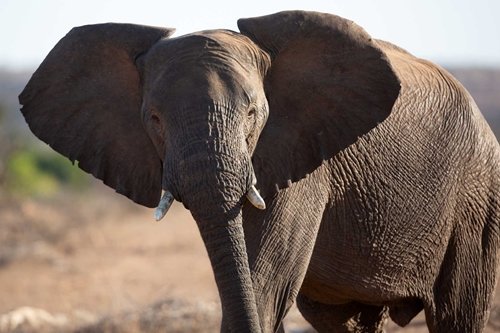
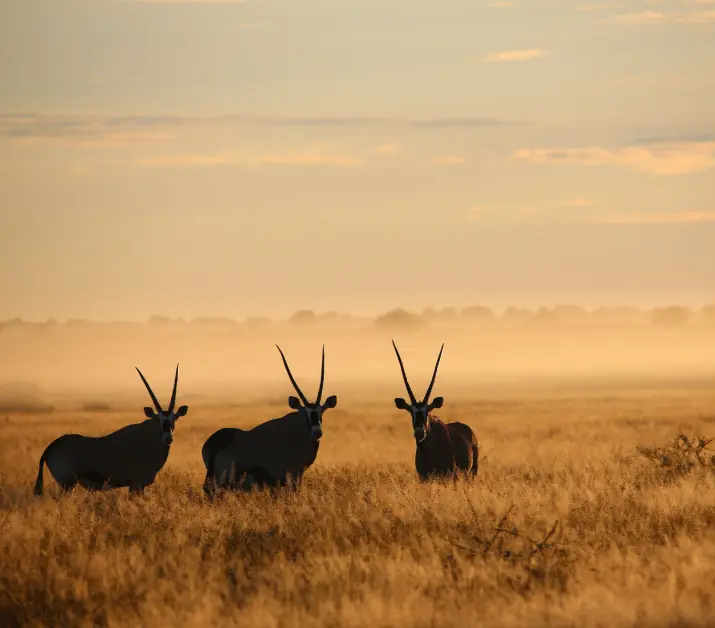
Today, our conservation efforts are helping to protect ecosystems and species across southern Africa.
Our 2030 Goal
We aim to secure 3 times more land for future generations than we impact, and fund partnerships that help to protect a further 13 million acres by 2030.
Progress towards this goal is underpinned by our Nature Positive Impact Pathways and science-based commitment that we aim to be on an externally validated path to nature-positive outcomes by 2030. This means halting and reversing nature loss by 2030 measured against a 2020 baseline.
We recognise that land area alone does not measure biodiversity outcomes or ecological equivalence. We continue to advance the workstreams needed to better understand and quantify our biodiversity-related impacts, mitigation measures and residual impacts.
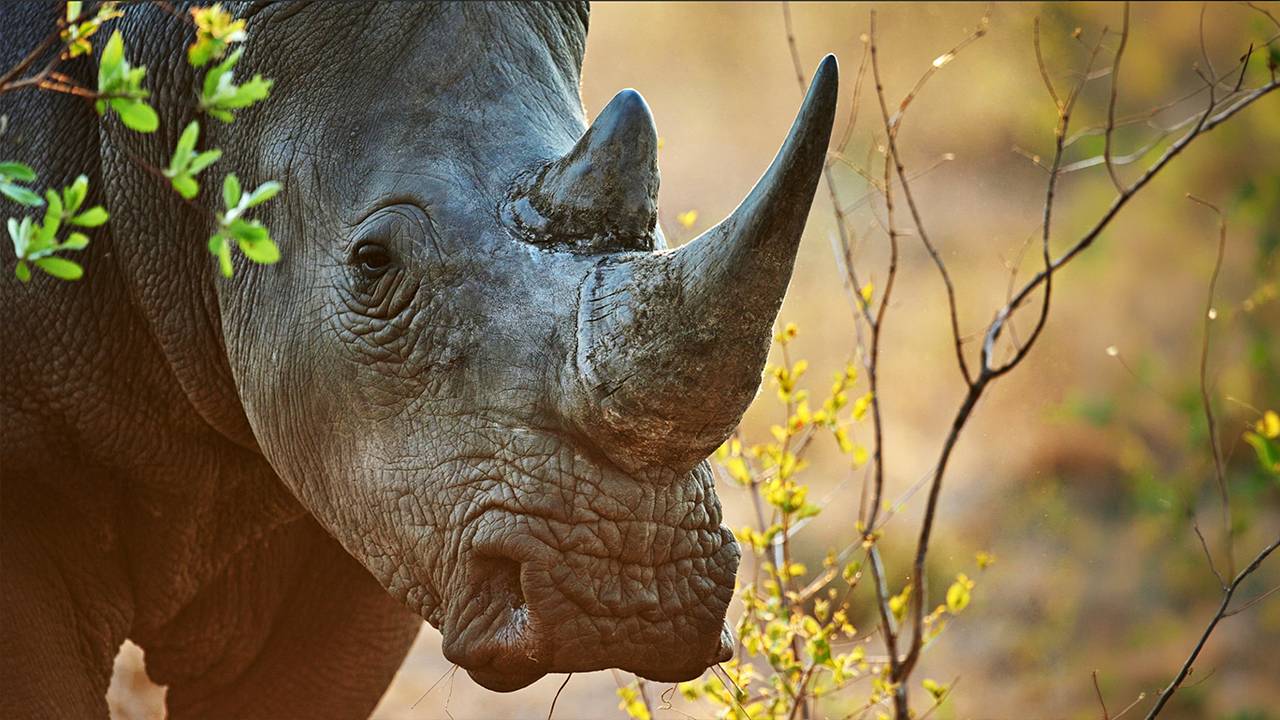
DIAMONDS IN THE WILD
Once driven to the brink of extinction by poaching and habitat loss, the white rhino remains one of Botswana's most precious species. Since 2012, Debswana has supported rhino conservation through the Diamonds in the Wild programme, funded by natural diamonds.
375,000 acres
We developed a scalable model to secure the 375,000 acres of conservation land we manage
3 X
We are actively managing 3 times more land for nature than we have disturbed
73.4 %
increase in our water reuse and recycling
Our approach
Limiting impact at our operations
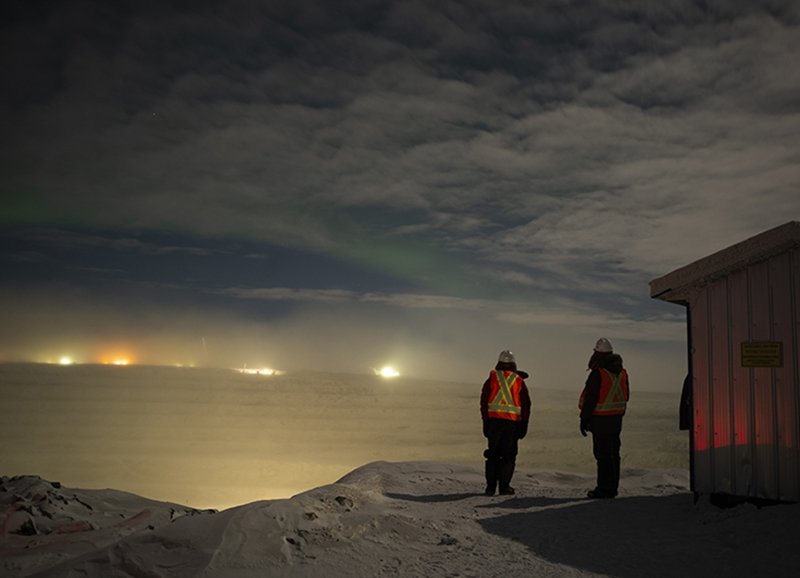
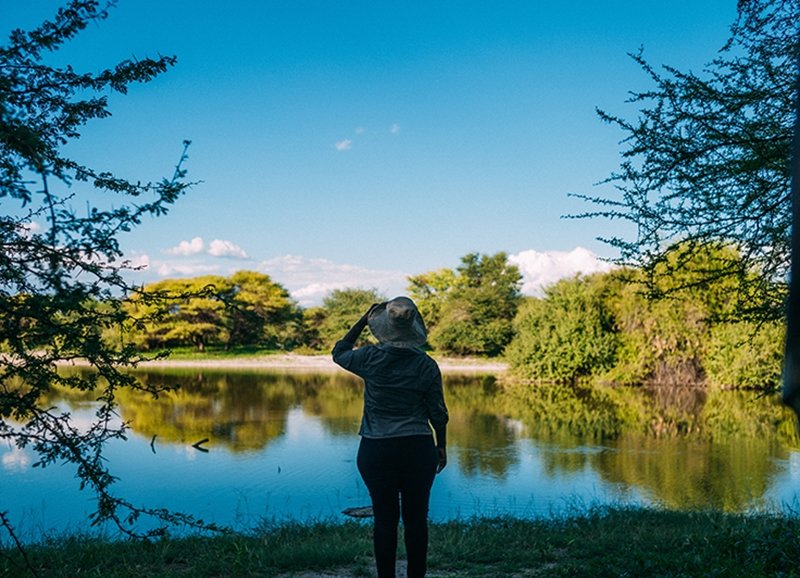
We work to avoid, minimise, restore and, where necessary, offset our impacts on biodiversity. Each operation undertakes detailed biodiversity assessments and then develops a tailored and independently monitored biodiversity management programme.
Our approach
Restoring and rewilding landscapes
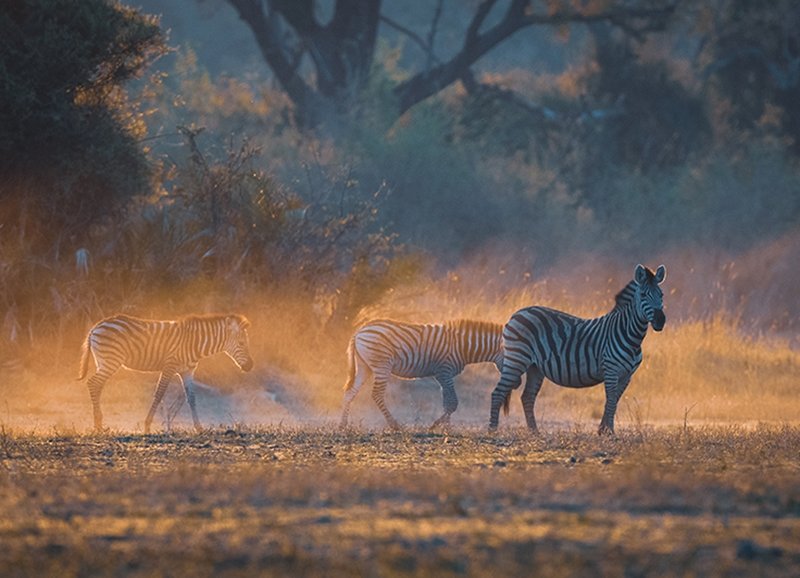
Beyond our operations, our ecology experts continue to manage hundreds of thousands of acres of nature reserves across South Africa and Botswana. Through focused rewilding efforts, we’ve helped to transform degraded landscapes into flourishing ecosystems, protecting vulnerable and keystone species and creating livelihood opportunities beyond mining.
We are working to secure long-term formal protection for 240,000 acres of these nature reserves – an area three times larger than the land we disturb – by 2030. Land donations to national parks and establishing protected status – supported by sustainable financing solutions – are just some of the ways we are doing this.
Our approach
Scaling impact through partnership
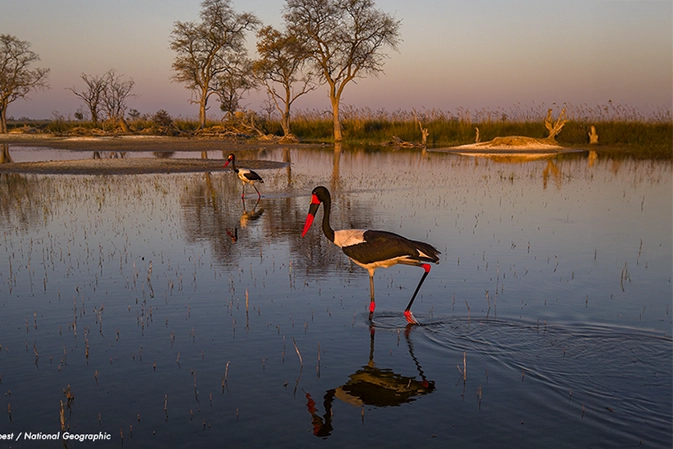
Protecting nature at scale requires collaboration. Beyond the land we directly manage, we work closely with governments, local communities and leading conservation organisations to expand our impact. Through partnerships such as Okavango Eternal with National Geographic, we are protecting ecosystems far beyond our operational footprint. Together we are advocating for the protection of over 13 million acres of critical ecosystems by 2030, to help safeguard the Okavango Delta, one of the world’s most important biodiversity hotspots.
Photo Credit: National Geographic/ Kostadin Luchansky
CASE STUDIES
OKAVANGO ETERNAL
Protecting a natural wonder
Read more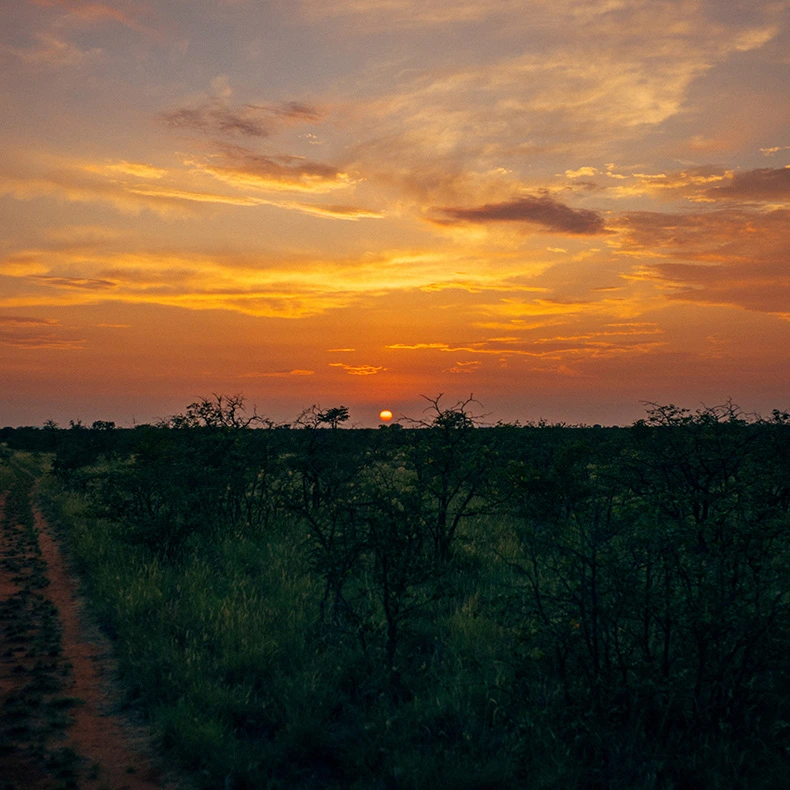
NATURE RESERVES
Conserving nature for future generations
Read more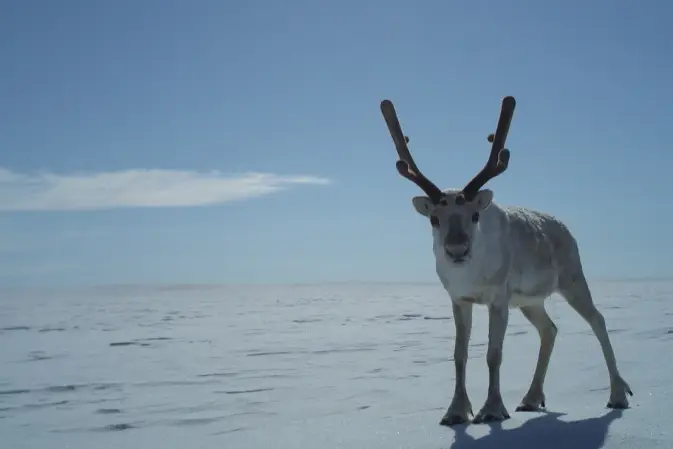
CARIBOU
Working with indigenous communities to protect barren ground caribou in the Arctic.
Read more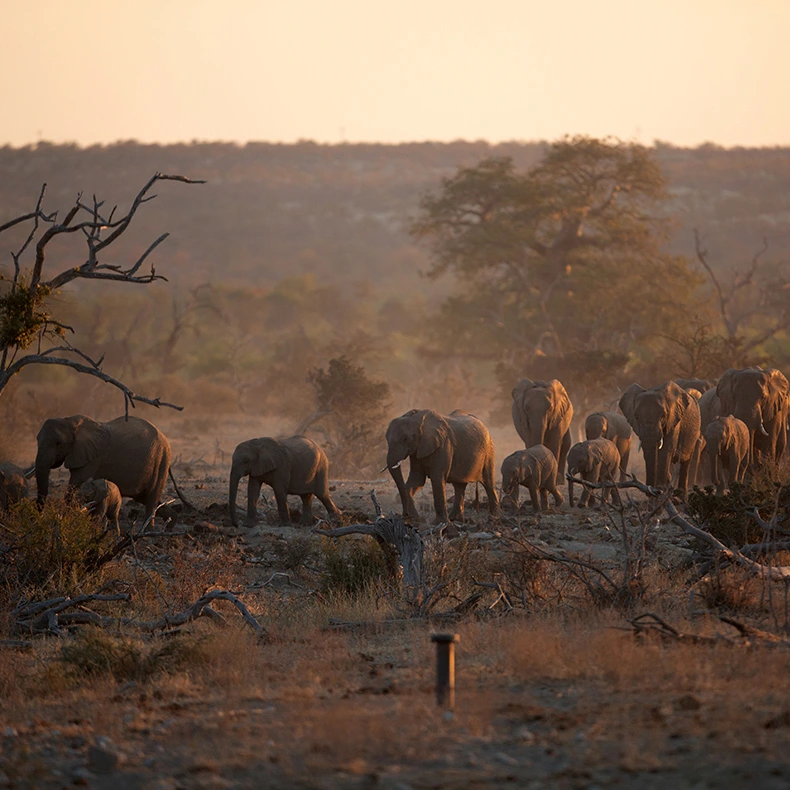
MOVING GIANTS
A groundbreaking initiative to move over 100 elephants
Read more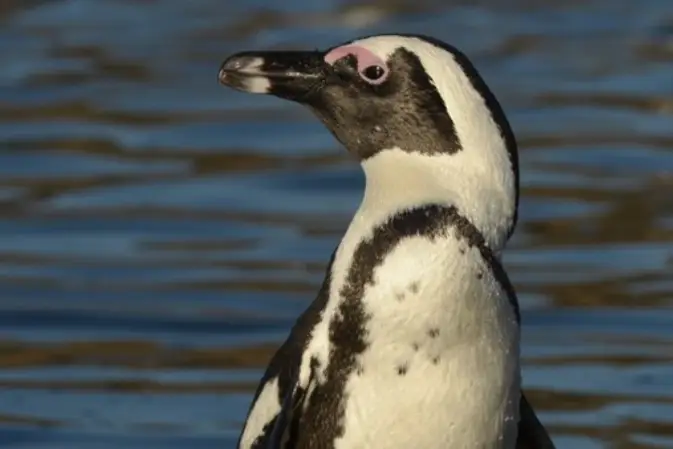
PENGUINS
Protecting the iconic and critically endangered African penguin
Read more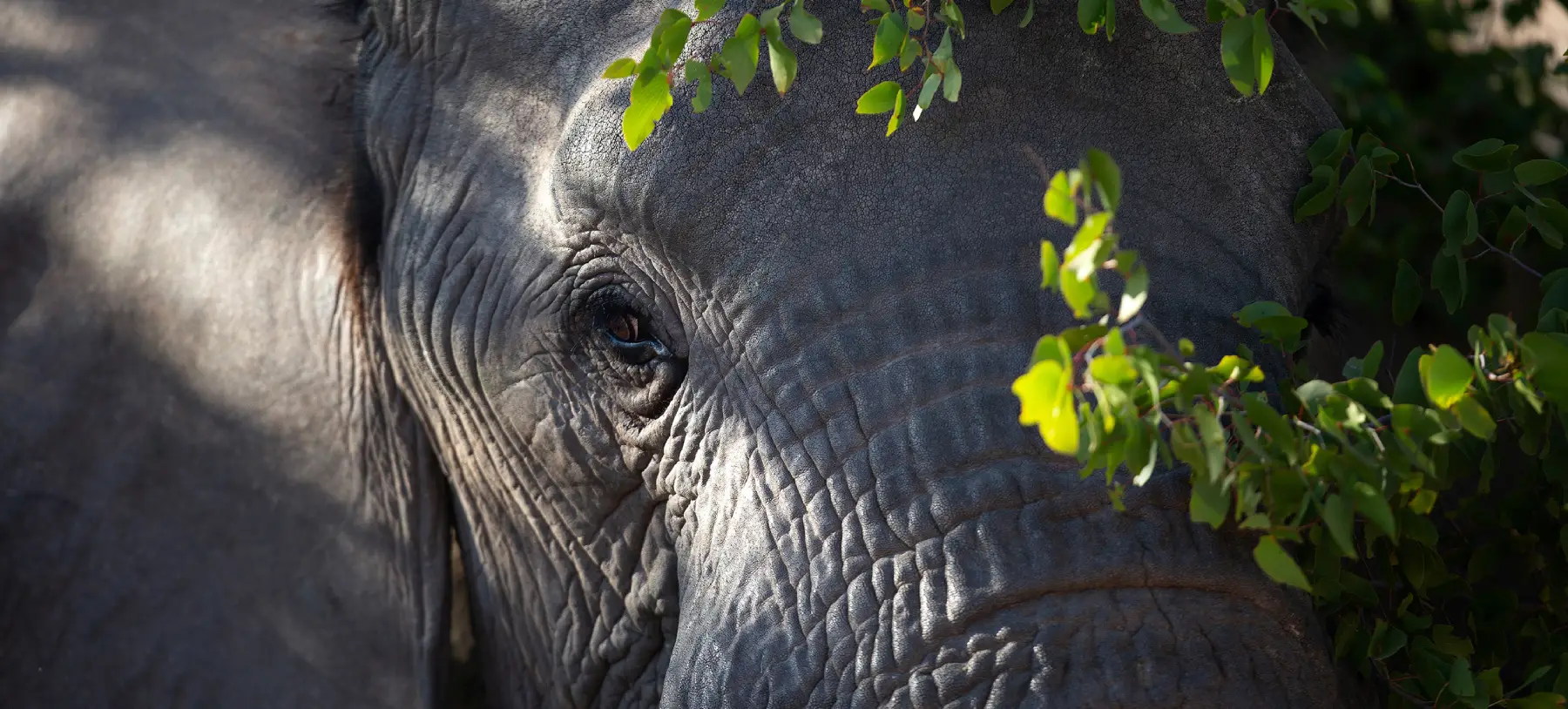
Watch nature’s wonders – live
Livestream into one of our nature reserves and see which animals you can spot.
Related UN Sustainable Development Goals
Life Below Water
Conserve and sustainably use the oceans, seas and marine resources
Life on Land
Sustainably manage forests, combat desertification, halt and reverse land degradation, halt biodiversity loss.
LIVELIHOODS
Supporting a brighter future through diamonds.
Learn more
CLIMATE
Innovative thinking and pioneering partnerships.
Learn more
PROVENANCE
Enhancing transparency through diamond provenance
Learn more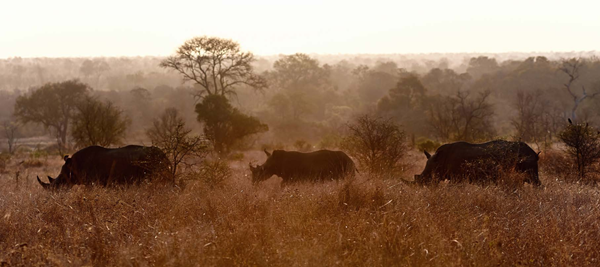
Sustainability Report
Our sustainability report is published every year and highlights our progress against our Building Forever framework, including detailed sustainability performance reporting.